Considering a Move to British Columbia? What U.S. Buyers Need to Know After the Recent Election
The latest U.S. election has many Americans re-evaluating their living options, with some looking north to British Columbia (BC), Canada, for new opportunities and a change in scenery. BC’s stunning natural landscapes, stable economy, and welcoming communities make it an attractive option for those considering a move. However, the Canadian real estate market has its own rules and regulations, especially for foreign buyers. Here’s what you need to know about making BC your new home.
1. Get Familiar with Canada’s Foreign Buyer Policies
Canada has restrictions on foreign ownership in certain high-demand areas. While the country introduced a two-year ban on foreign buyers in some urban locations to address housing shortages, there are still areas in BC where international buyers can purchase property. Rural regions, select parts of Vancouver Island, and smaller communities remain open to non-resident buyers, providing attractive options for those looking to invest.
If you’re interested in urban areas like Vancouver or Victoria, you’ll want to stay informed, as policies may shift, and exemptions could apply in specific cases. Consulting a local realtor or legal advisor can clarify options for non-residents and help you navigate local restrictions.
2. Explore Visa and Residency Options
Purchasing property in Canada does not automatically grant residency, so understanding visa and immigration requirements is crucial if you plan to move to BC long-term. Canada offers several pathways for U.S. citizens to gain residency:
•Work Permits: U.S. citizens can apply for work permits under the Canada-United States-Mexico Agreement (CUSMA), which streamlines work authorization in specific professional fields.
•Express Entry: This points-based system offers a pathway to permanent residency based on factors like education, work experience, and language proficiency.
•Provincial Nominee Program (PNP): BC has its own PNP, which allows the province to nominate candidates with in-demand skills. While buying property doesn’t directly impact your residency, moving with a job offer or as a skilled worker may increase your options.
Work with an immigration consultant to understand which pathway best suits your needs and to ensure a smooth transition.
3. Plan for Exchange Rate Considerations and Financing
The Canadian dollar (CAD) often fluctuates against the U.S. dollar (USD), so staying informed about exchange rates is essential. A favorable rate can make your property investment in BC more affordable, but it’s wise to monitor changes and plan for any fluctuations. Many Canadian banks are open to working with U.S. buyers, offering financing options that can simplify the process. Some U.S. citizens opt for cross-border mortgages or open Canadian bank accounts to facilitate their real estate purchase.
4. Identify the Right Area for Your Needs and Lifestyle
BC offers diverse landscapes and lifestyles, from vibrant city life in Vancouver to peaceful island living or mountain escapes. Here are a few popular areas for U.S. buyers:
•Vancouver: A cultural hub with a thriving economy, though foreign buyer restrictions may apply in certain neighborhoods.
•Victoria and Vancouver Island: Known for its natural beauty and milder climate, with many areas exempt from the foreign buyer ban.
•Okanagan Valley: Home to vineyards, outdoor recreation, and more affordable housing options.
•Smaller Communities and Rural Areas: Many of these are open to foreign buyers and offer a quieter lifestyle with more affordable real estate.
Understanding the characteristics of each area, from weather to community life, will help you make a choice that fits your vision.
5. Understand Canadian Tax Implications for Foreign Buyers
Canada imposes specific taxes on non-resident property buyers, including the Speculation and Vacancy Tax in BC, which targets properties not used as primary residences. Vancouver also has its own Empty Homes Tax, designed to encourage active use of properties. Additionally, foreign buyers in BC are often subject to a foreign buyers’ tax on top of the standard property transfer tax in certain areas.
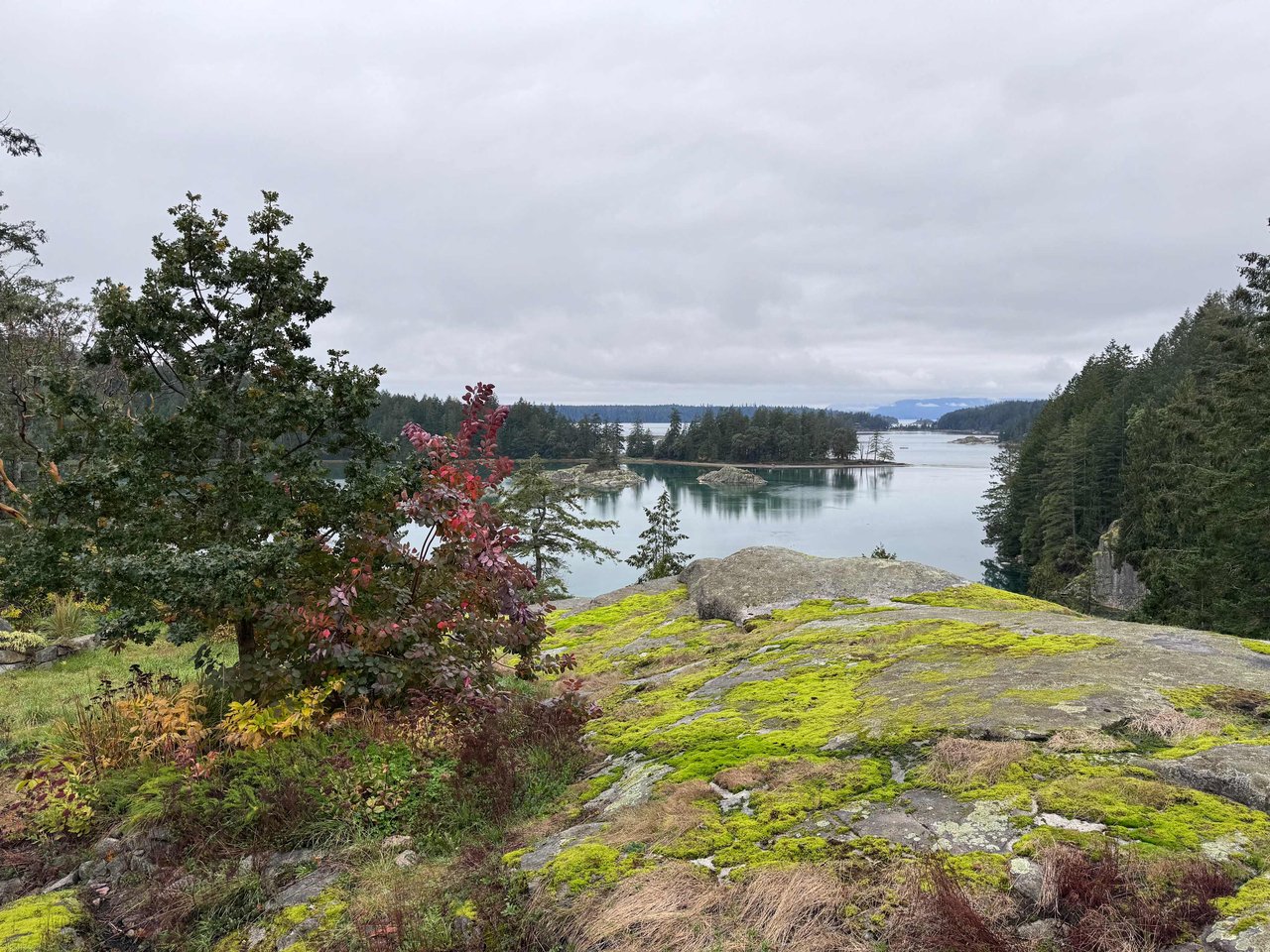
For long-term stays or frequent visits, U.S. citizens may qualify for tax exemptions by establishing residency status. Consulting with a Canadian tax advisor can help you understand your obligations and any tax-saving opportunities available. Cortes Island is OUTSIDE of the foreign buyer's ban and taxation zones and offers an idyllic lifestyle in the Discovery Islands.
6. Stay Connected with Local Real Estate Professionals
Navigating the Canadian real estate landscape as a U.S. buyer requires local knowledge and support. Jeramie Ellingsen specializes in helping international clients through the process of cross-border transactions. She can ease the process, ensuring you find properties that fit your needs and meet regulatory requirements. She is able to offer virtual consultations and tours, allowing you to explore options from afar before making the journey to BC.
Don't hesitate to reach out and book a consultation today!